Debt Consolidation: A Smarter Way to Manage Multiple Debts
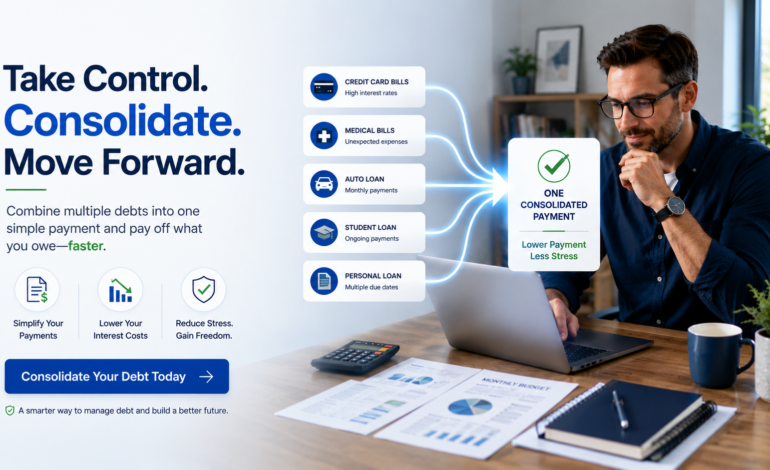
Managing multiple debts can quickly become overwhelming. Different lenders, different due dates, varying interest rates, and multiple monthly payments can make it difficult to keep your finances organized.
Debt consolidation can be one option for people who want to simplify their debt payments and potentially reduce the overall cost of managing their outstanding balances.
What Is Debt Consolidation?
Debt consolidation is the process of combining multiple debts into a single loan or payment arrangement. Instead of making separate payments to several creditors, you may be able to use one new loan to pay off existing debts and then make a single monthly payment.
Depending on the type of consolidation product and your financial situation, the new loan may offer a different interest rate, repayment period, or monthly payment than your existing debts.
Common debts that people may consider consolidating include:
- Credit card balances
- Personal loans
- Medical bills
- Other eligible unsecured debts
- High-interest consumer debt
The goal is generally to make debt easier to manage while creating a clearer path toward becoming debt-free.
How Does Debt Consolidation Work?
The process is relatively straightforward.
First, you review your current debts, including outstanding balances, interest rates, minimum payments, and remaining repayment periods. You can then compare available consolidation options.
If you qualify for a consolidation loan, the funds may be used to pay off eligible existing debts. You then repay the new loan according to its terms.
For example, imagine you have three separate credit card balances with different interest rates and payment dates. A consolidation loan could potentially replace those three payments with one monthly payment.
However, consolidation does not automatically reduce the amount you owe. The terms of the new loan matter, including the interest rate, fees, and repayment period.
Potential Benefits of Debt Consolidation
Debt consolidation may offer several advantages when used responsibly.
1. One Monthly Payment
Instead of tracking several creditors and payment dates, you may have one monthly payment to manage. This can make budgeting simpler.
2. Easier Debt Management
Having fewer accounts to monitor can reduce the chances of missing a payment or forgetting a due date.
3. Potentially Lower Interest Costs
If you qualify for a consolidation loan with a lower interest rate than your existing high-interest debt, you could potentially reduce the amount of interest paid over time.
4. A Clear Repayment Plan
Some consolidation loans have fixed repayment terms. Knowing the payment amount and expected payoff date can make it easier to plan your finances.
Is Debt Consolidation Right for You?
Debt consolidation isn’t the right solution for everyone. Before applying, consider your income, credit profile, existing debt, monthly budget, and the terms of the proposed consolidation loan.
It’s important to compare the total cost of the new loan, not just the monthly payment.
A lower monthly payment may sometimes result from extending the repayment period. While this can make monthly budgeting easier, you could pay more interest over the life of the loan.
Also consider whether the new loan includes origination fees, prepayment penalties, or other charges.
Debt Consolidation vs. Debt Settlement
Debt consolidation and debt settlement are not the same thing.
Debt consolidation generally involves replacing multiple debts with a single loan or payment arrangement.
Debt settlement typically involves negotiating with creditors to settle debts for less than the full amount owed. Debt settlement can involve significant risks and may affect your credit and financial situation.
Before choosing either option, carefully review the costs, risks, eligibility requirements, and potential consequences.
How to Get Started
If you’re considering debt consolidation, start by creating a complete picture of your current finances.
List each debt along with:
- Current balance
- Interest rate
- Minimum monthly payment
- Remaining repayment period
- Any applicable fees
Then compare potential consolidation options based on the annual percentage rate (APR), fees, loan term, monthly payment, and total repayment amount.
Avoid choosing an option based solely on the lowest advertised monthly payment.
Final Thoughts
Debt consolidation can be a useful financial strategy for eligible borrowers who want to simplify multiple debt payments and potentially secure more manageable repayment terms.
However, it should be approached carefully. Understanding the full cost of a consolidation loan, reviewing the terms, and making sure the monthly payment fits your budget are important steps before making a decision.
If you’re exploring your options, take the time to compare available solutions and understand what you’re agreeing to before submitting an application.
Ready to Explore Your Options?
Take the next step toward understanding your debt consolidation options.
This article is for informational purposes only and does not constitute financial, legal, or credit advice. Loan availability, rates, fees, terms, and eligibility requirements vary by lender and applicant. Review all applicable terms and disclosures before making a financial decision.