Solar Panels: A Sustainable Solution for Clean and Affordable Energy
With rising energy costs and growing environmental concerns, solar energy has emerged as one of the most reliable and sustainable power solutions worldwide. Solar panels convert sunlight into electricity, providing a clean, renewable, and cost-effective alternative to traditional fossil fuels. As technology advances and awareness increases, solar power is becoming an essential part of modern energy systems for homes, businesses, and industries.
What Are Solar Panels?
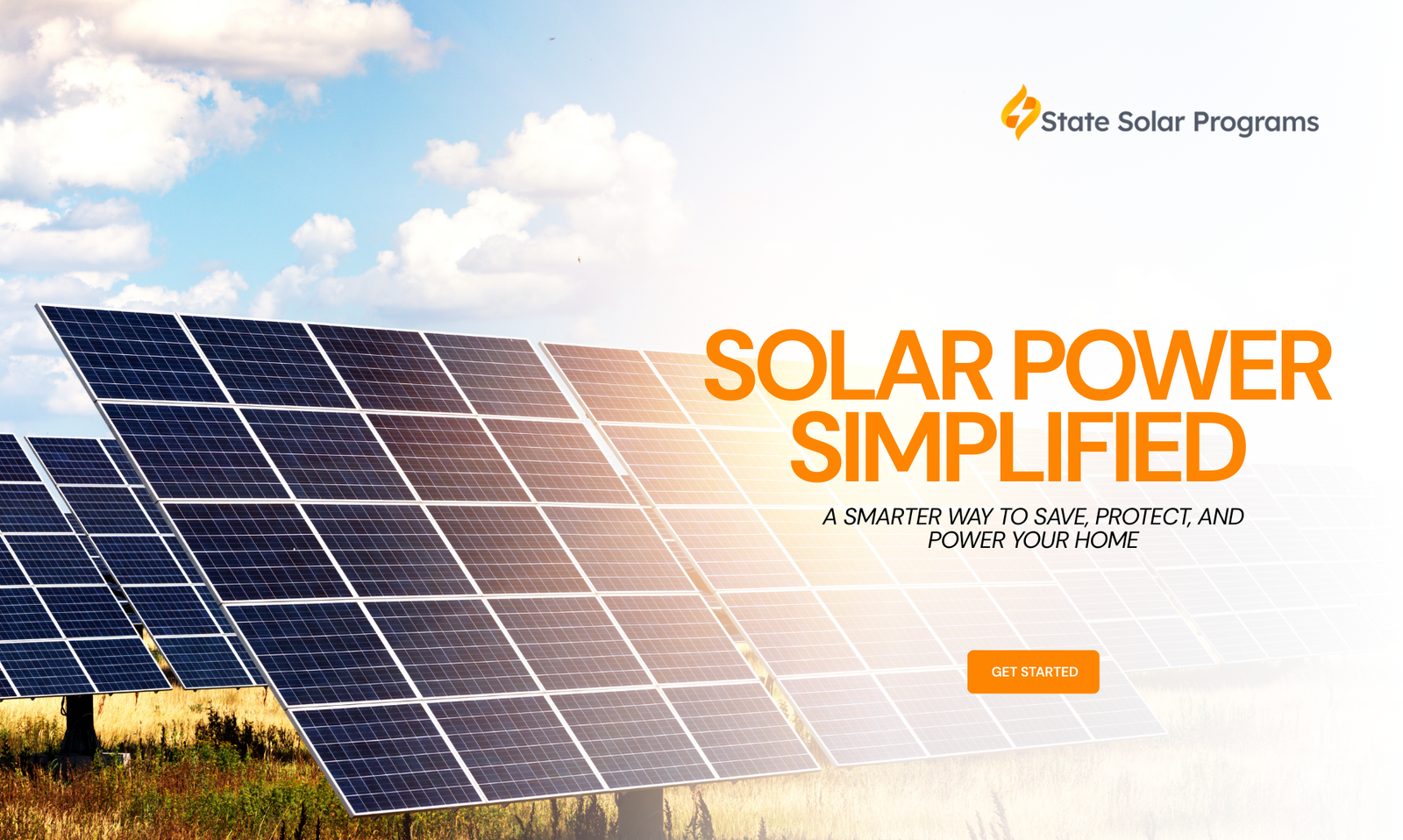
Solar panels are devices made up of photovoltaic (PV) cells that capture sunlight and convert it into electrical energy. These PV cells are typically made from silicon, a semiconductor material that generates an electric current when exposed to sunlight. Multiple cells are connected together to form a solar panel, and several panels combine to create a complete solar power system.
How Solar Panels Work
Solar panels operate on the photovoltaic effect. When sunlight strikes the surface of the PV cells, it excites electrons within the silicon material. This movement of electrons creates direct current (DC) electricity. An inverter then converts DC electricity into alternating current (AC), which is used to power household appliances, commercial equipment, and industrial systems. Any excess electricity can be stored in batteries or fed back into the grid, depending on the system design.
Types of Solar Panels
There are three main types of solar panels commonly used today:
- Monocrystalline Solar Panels
These panels are made from a single crystal of silicon and are known for their high efficiency and sleek appearance. They perform well even in limited sunlight conditions but are relatively more expensive. - Polycrystalline Solar Panels
Manufactured from multiple silicon crystals, these panels are more affordable but slightly less efficient than monocrystalline panels. They are widely used in residential and commercial installations. - Thin-Film Solar Panels
Thin-film panels are lightweight and flexible, making them suitable for specific applications. However, they generally have lower efficiency and require more space to generate the same amount of power.
Benefits of Solar Panels
Solar panels offer numerous advantages, making them a smart investment:
- Renewable Energy Source: Solar energy is abundant and inexhaustible.
- Reduced Electricity Bills: Solar systems significantly lower monthly energy costs.
- Environmentally Friendly: Solar power reduces carbon emissions and air pollution.
- Low Maintenance: Solar panels require minimal maintenance and have a long lifespan.
- Energy Independence: Users become less dependent on grid electricity and fuel price fluctuations.
- Increased Property Value: Properties with solar installations often have higher market value.
Applications of Solar Energy
Solar panels are used in a wide range of applications, including:
- Residential rooftops
- Commercial and industrial buildings
- Solar-powered street lighting
- Agricultural water pumps
- Remote and off-grid locations
- Large-scale solar power plants
Solar Panels in Pakistan
Pakistan has significant solar energy potential due to its high sunlight exposure throughout the year. With frequent power shortages and rising electricity tariffs, solar panels provide an effective solution for energy stability. Government incentives, net metering policies, and falling solar equipment prices have further encouraged the adoption of solar systems across residential, commercial, and agricultural sectors.
Installation and Maintenance
Proper installation is crucial for optimal solar panel performance. Panels should be installed at the correct angle and direction to maximize sunlight exposure. Regular cleaning, periodic inspections, and inverter checks help maintain efficiency and prolong system life. Most solar panels come with warranties ranging from 20 to 25 years.
Future of Solar Energy
The future of solar energy is promising. Innovations such as high-efficiency panels, smart inverters, energy storage systems, and solar-integrated buildings are shaping the next generation of renewable energy solutions. As global focus shifts toward sustainability, solar power will continue to play a vital role in meeting energy demands while protecting the environment.
Conclusion
Solar panels are a powerful and sustainable energy solution that benefits both individuals and the planet. By harnessing the sun’s energy, solar power reduces electricity costs, minimizes environmental impact, and ensures long-term energy security. Investing in solar panels today is a step toward a cleaner, greener, and more sustainable future.