8 Types of Auto Insurance Coverage You Should Know
Auto insurance isn’t just a legal requirement in many countries — it’s a financial safety net that protects you from unexpected expenses after an accident, theft, or damage. Whether you’re a new driver or reviewing your current policy, understanding the different types of auto insurance coverage can help you make smarter, more cost-effective decisions.
Here are 8 essential types of auto insurance coverage every driver should know:
1. Liability Coverage
Liability insurance is the most basic and commonly required type of auto coverage. It protects you if you’re at fault in an accident and cause injury or property damage to others.
It typically includes:
- Bodily Injury Liability (BI): Covers medical expenses, lost wages, and legal fees for the other party.
- Property Damage Liability (PD): Covers repair or replacement costs for damaged property (like another vehicle, fence, or building).
⚠️ Important: Liability insurance does not cover your own vehicle damage.
2. Collision Coverage
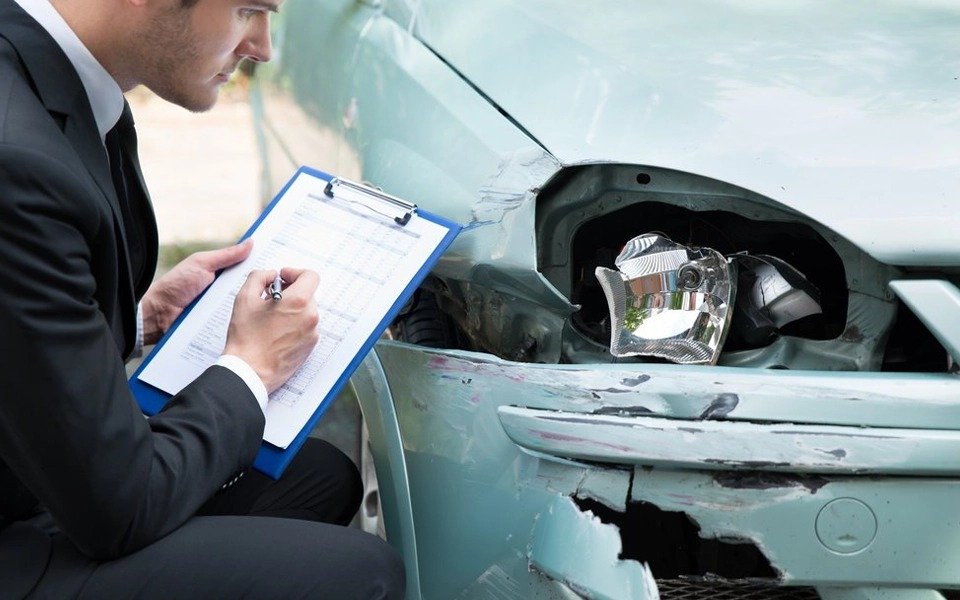
Collision coverage pays for repairs to your vehicle after an accident, regardless of who was at fault.
It covers:
- Accidents with another vehicle
- Collisions with objects (trees, poles, walls)
- Single-car accidents (rollovers)
This coverage is especially important if you drive a newer or financed vehicle.
3. Comprehensive Coverage
Comprehensive insurance protects your car from non-collision-related damage.
It typically covers:
- Theft
- Fire
- Vandalism
- Natural disasters (floods, storms, hail)
- Falling objects
If you live in an area prone to extreme weather or high theft rates, this coverage is highly recommended.
4. Personal Injury Protection (PIP)
Personal Injury Protection (PIP) helps cover medical expenses for you and your passengers, regardless of who caused the accident.
It may cover:
- Medical bills
- Rehabilitation costs
- Lost wages
- Funeral expenses (in severe cases)
Some regions require PIP as part of a no-fault insurance system.
5. Medical Payments Coverage (MedPay)
Medical Payments Coverage is similar to PIP but usually more limited.
It covers:
- Medical expenses for you and passengers
- Health insurance deductibles and co-pays
Unlike PIP, it typically does not cover lost wages or extended rehabilitation costs.
6. Uninsured/Underinsured Motorist Coverage
Not every driver on the road carries insurance. This coverage protects you if you’re involved in an accident with someone who:
- Has no insurance
- Doesn’t have enough coverage to pay for damages
It helps cover:
- Medical bills
- Vehicle repair costs
- Lost wages (in some cases)
This coverage can be extremely valuable in areas with a high rate of uninsured drivers.
7. Gap Insurance
Gap insurance is crucial if you financed or leased your vehicle.
If your car is totaled or stolen, standard insurance pays the current market value. However, you may still owe more on your loan than the car’s value.
Gap insurance covers the difference (the “gap”) between:
- What you owe on your car loan
- The vehicle’s actual cash value
This prevents you from paying out of pocket for a car you no longer have.
8. Roadside Assistance Coverage
Roadside assistance is optional coverage that helps when your car breaks down.
It typically includes:
- Towing services
- Battery jump-start
- Flat tire change
- Fuel delivery
- Lockout services
While not mandatory, it offers convenience and peace of mind — especially for long-distance drivers.
How to Choose the Right Coverage
When selecting auto insurance coverage, consider:
- Your vehicle’s age and value
- Whether the car is financed or owned outright
- Your driving habits
- Local legal requirements
- Your budget and deductible comfort level
A well-balanced policy includes enough coverage to protect your finances without overpaying for unnecessary add-ons.
Final Thoughts
Auto insurance is more than just a legal obligation — it’s financial protection against life’s unexpected events. Understanding these 8 types of auto insurance coverage empowers you to customize your policy based on your needs and risk tolerance.
Before purchasing or renewing a policy, review your coverage carefully and compare options to ensure you’re fully protected on the road.