5 Essential Steps for Securing a Personal Loan
Securing a personal loan can be a smart financial move when managed responsibly. Whether you need funds for medical expenses, home improvements, education, or consolidating debt, understanding the right process increases your chances of approval and helps you secure better terms. Below are five essential steps to guide you through the process professionally and confidently.
1. Assess Your Financial Needs and Repayment Capacity
Before applying for a personal loan, clearly define why you need the loan and how much you require. Borrowing more than necessary can increase your financial burden, while borrowing too little may not solve your problem.
Ask yourself:
- What is the exact amount I need?
- Can I comfortably afford the monthly installments?
- What is my current debt-to-income ratio?
Review your monthly income, expenses, and existing obligations. Ideally, your total loan repayments should not exceed 30–40% of your monthly income. A realistic repayment plan prevents financial stress and protects your credit score.
2. Check Your Credit Score and Financial History
Your credit score plays a crucial role in loan approval. Lenders use it to evaluate your creditworthiness and repayment behavior.
A strong credit profile helps you:
- Secure lower interest rates
- Obtain higher loan amounts
- Receive faster approvals
If your credit score is low, consider improving it before applying by:
- Paying existing debts on time
- Reducing outstanding balances
- Avoiding multiple loan applications simultaneously
Maintaining a clean financial history significantly strengthens your application.
3. Compare Lenders and Loan Offers
Not all lenders offer the same terms. Comparing options ensures you find the most suitable and cost-effective solution.
When evaluating lenders, consider:
- Interest rate (fixed vs. variable)
- Processing fees
- Early repayment charges
- Loan tenure flexibility
- Hidden costs
Banks, microfinance institutions, and online lenders may provide different benefits. Carefully review the Annual Percentage Rate (APR), as it reflects the true cost of borrowing.
Taking time to compare offers can save you a substantial amount over the life of the loan.
4. Prepare Required Documentation
Having complete and accurate documentation speeds up the approval process and demonstrates professionalism.
Common required documents include:
- Valid identification (CNIC or passport)
- Proof of income (salary slips or bank statements)
- Employment verification or business proof
- Address verification
Ensure all information is accurate and up to date. Incomplete or incorrect documents may delay or negatively affect your application.
5. Submit Application and Review Loan Agreement Carefully
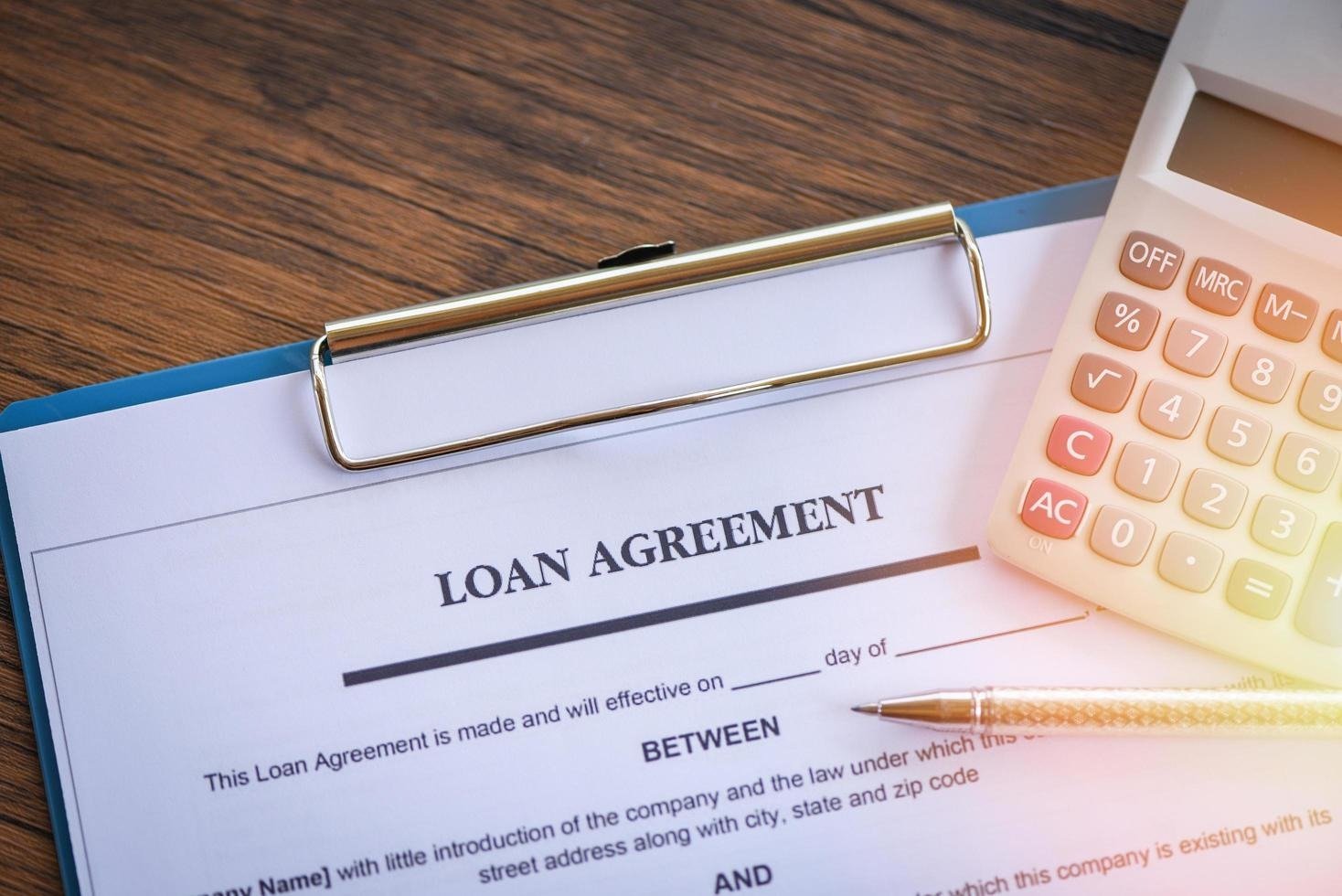
After choosing the right lender, submit your application either online or in person. Once approved, do not rush to sign the agreement.
Carefully review:
- Interest rate and repayment schedule
- Total payable amount
- Late payment penalties
- Prepayment terms
- Any additional charges
Ask questions if anything is unclear. Understanding the terms protects you from unexpected financial obligations.
Final Thoughts
Securing a personal loan is not just about getting approved — it is about making a financially sound decision. By assessing your needs, checking your credit profile, comparing lenders, preparing documentation, and reviewing the agreement carefully, you can ensure a smooth and responsible borrowing experience.
A well-planned loan can help you achieve your goals without compromising your financial stability. Always borrow wisely and repay on time to maintain a strong financial future.